Introduction
Glaucoma is a potentially vision-threatening eye disease that affects millions of people around the world. In order to detect and treat it early, it is extremely important to know the symptoms and causes of this disease. In this article, we’ll look at the symptoms and causes of glaucoma to help you better understand the disease.
What is glaucoma?
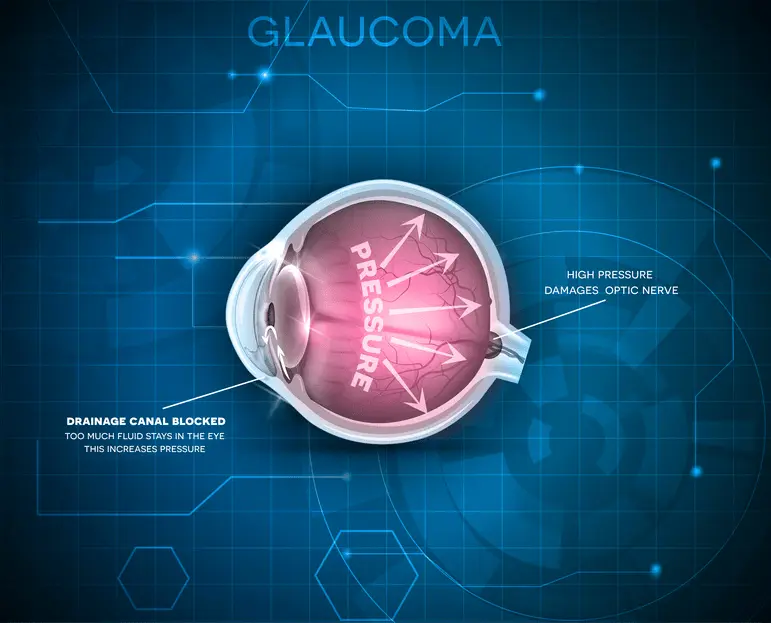
It is a group of eye diseases that cause damage to the optic nerve, often due to increased intraocular pressure (IOP).This damage can cause vision loss and, if left untreated, blindness. This is often referred to as the “silent thief of vision.” Because it generally progresses without any visible symptoms until vision loss.
Common Symptoms of Glaucoma
Open-angle glaucoma:
- In the early stages of this condition there is no noticeable symptoms, making it challenging to detect the onset of the condition.
- Gradually, development of patchy blind spots in the peripheral vision, also referred to as side vision, becomes visible. These blind spots may compromise the overall quality of one’s visual field.
- In the later stages, individuals may experience difficulties in perceiving objects within their central vision which significantly impact the ability to see and recognize objects in the direct line of sight.
Acute angle-closure glaucoma:
- Intense Headache: Individuals affected feel a severe and persistent headache, indicating a significant level of discomfort and pain.
- Eye Pain Intensity: Severe eye pain is a noteworthy symptom, highlighting the potential impact of the condition on ocular well-being.
- Nausea and Vomiting: Victims endure episodes of nausea or vomiting, indicating a systemic response that accompanies the ocular symptoms.
- Blurred Vision: This is a common manifestation, affecting the clarity and sharpness of sight.
- Halos or Colored Rings: Halos or colored rings around lights become apparent, contributing to visual disturbances and warranting attention.
- Redness of the Eyes: The presence of eye redness signifies an inflammatory response and is a notable indicator of ocular distress associated with the condition.
Normal-tension glaucoma:
- Absence of Early Symptoms: During the initial stages, individuals may not exhibit any discernible symptoms, making early detection and diagnosis challenging.
- Progressive Blurring of Vision: Over time, a gradual onset of blurred vision occurs, indicating a progressive decline in the clarity and sharpness of sight.
- Advanced Stage: Loss of Peripheral Vision: As the condition advances into later stages, a notable consequence is the loss of side vision, also known as peripheral vision. This significant visual impairment can significantly impact one’s overall field of view.
Glaucoma in children:
- Diminished Clarity in Infants’ Eyes: In infants, a dull or cloudy appearance in the eyes may be observed, indicating potential visual concerns that warrant attention.
- Elevated Blinking Frequency in Infants: An increase in blinking frequency among infants may signify an underlying issue with their vision, prompting the need for further examination.
- Unexplained Tears in Infants: Tears without associated crying in infants could be indicative of ocular discomfort or potential vision-related issues, necessitating a closer evaluation.
- Vision Impairment – Blurred Vision: Blurred vision is a notable symptom that suggests a decrease in the sharpness and clarity of sight, signaling potential visual challenges.
- Progressive Nearsightedness: A worsening condition of nearsightedness over time suggests a gradual decline in the ability to see distant objects clearly, emphasizing the dynamic nature of visual changes.
- Associated Headache: The presence of a headache can be linked to visual concerns, indicating that visual strain or impairment may contribute to discomfort, making it crucial to explore potential eye-related factors.
Pigmentary glaucoma:
- Visual Phenomenon – Halos Surrounding Lights: Observing halos around lights is a perceptual phenomenon that may indicate certain visual disturbances, highlighting the importance of understanding its potential underlying causes.
- Exercise-Induced Blurred Vision: Experiencing blurred vision during exercise suggests a dynamic relationship between physical activity and visual clarity, emphasizing the need for further exploration into potential contributing factors.
- Progressive Diminishment of Peripheral Vision: The gradual loss of side vision, also known as peripheral vision, signifies an ongoing visual change that can impact the overall field of view. Understanding this progression is crucial for comprehensive vision assessment and care.
Common Causes of Glaucoma
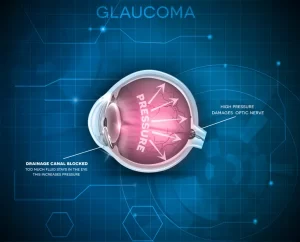
Increased intraocular pressure (IOP): Increased intraocular pressure is the main risk factor for glaucoma. The internal pressure in the eye increases due to the accumulation of aqueous humor, the fluid in the eye.This increased pressure can damage the optic nerve over time.
Family history: A family history of glaucoma may increase the risk of developing the disease. In some cases, genetic factors play an important role.
Age: The risk of glaucoma increases with age. It is most common in people over 40, with the risk being significantly higher in people over 60.
Ethnicity: Some ethnic groups, such as African Americans, are more susceptible to glaucoma and may develop the disease earlier.
Medical Conditions: Medical conditions such as diabetes, high blood pressure and heart disease, previous eye injuries or surgeries can increase the risk of glaucoma.
Conclusions
It is very crucial to understand the symptoms and causes of glaucoma for early diagnosis and treatment. To detect this disease early, regular eye exams are necessary, especially in people with risk factors.If you experience any of these symptoms or have a family history, you should see an eye doctor immediately. Early treatment and lifestyle changes can help control the disease and preserve vision. Although, it is a serious eye disease, proper attention and care can minimize the affects of glaucoma.